
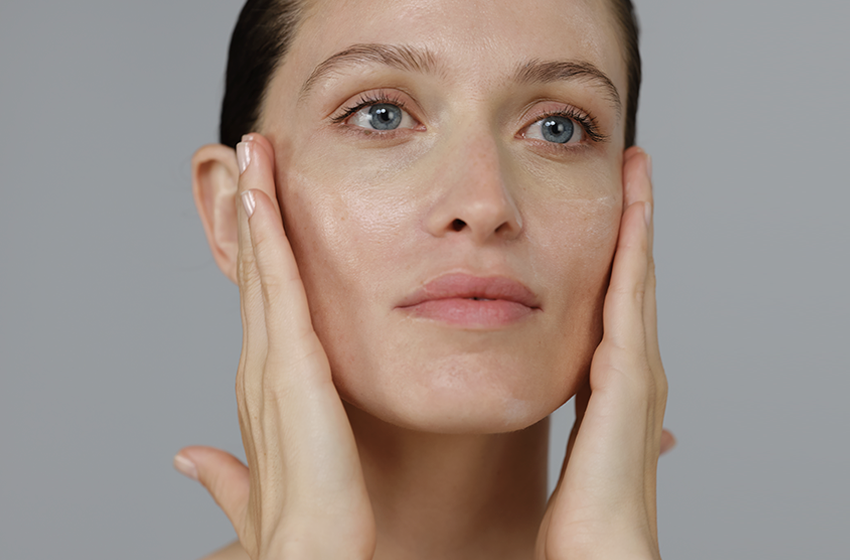
Glycolic acid is an ingredient used primarily for skin exfoliation. It occurs naturally in certain plants, such as beets and sugar cane. In its pure form, it is odorless and colorless. Due to its properties, it is one of the most popular ingredients in skincare products.
Glycolic acid is a water-soluble alpha-hydroxy acid (AHA), made up of very small molecules that the skin absorbs easily. Among its benefits for the skin are protecting collagen fibers and removing dead skin cells. As a result, it helps keep the skin smooth and radiant.
In this article, we will discuss what glycolic acid is, its properties and benefits, how to use it correctly, what side effects may occur, and we will answer the most frequently asked questions related to this ingredient.
Contents
- What is glycolic acid?
- The properties of glycolic acid
- Glycolic acid: benefits
- How and when is glycolic acid used?
- Acid glicolic: side effect
What Is Glycolic Acid?
Glycolic acid is a chemical exfoliant that occurs naturally in some plants. It has the smallest molecular structure of all AHA acids, which allows it to penetrate deep into the skin and exfoliate it even more effectively than other alpha-hydroxy acids. For this reason, it is one of the most commonly used AHAs in skincare products.
AHAs are natural acids derived from plants. They are made up of small molecules that are very easily absorbed by the skin. This is why alpha-hydroxy acids are widely used to smooth fine lines, improve skin texture, and treat acne.
Common alpha-hydroxy acids used in cosmetic products include citric acid, malic acid, and lactic acid.
Glycolic acid supports cell regeneration, enabling the skin to shed dead cells faster than it would naturally.
It also supports the production of collagen and elastin—proteins that give the skin firmness and elasticity. As we age, the skin produces less collagen, and collagen fibers are further broken down by prolonged sun exposure. The use of glycolic acid can help prevent the degradation of collagen fibers.
However, as with other chemical exfoliants, using glycolic acid too frequently or in concentrations that are too high can cause skin irritation or damage.
Properties of Glycolic Acid
Glycolic acid has the following properties:
- Acts as an exfoliant: As a chemical exfoliant, glycolic acid removes the outer layer of skin cells and excess sebum.
- Is a humectant: Glycolic acid attracts water into skin cells by increasing the synthesis of glycosaminoglycans (molecules that draw water into skin tissues).
- Has antibacterial properties: A 2020 study showed that, at certain concentrations, glycolic acid can inhibit bacterial growth.
- Has anti-aging effects: Glycolic acid can reduce some of the processes that cause premature skin aging. For example, it can reduce sun damage, increase the production of collagen and hyaluronic acid in the skin, and support elastin levels. These substances give the skin elasticity and resilience.
Glycolic Acid: Benefits
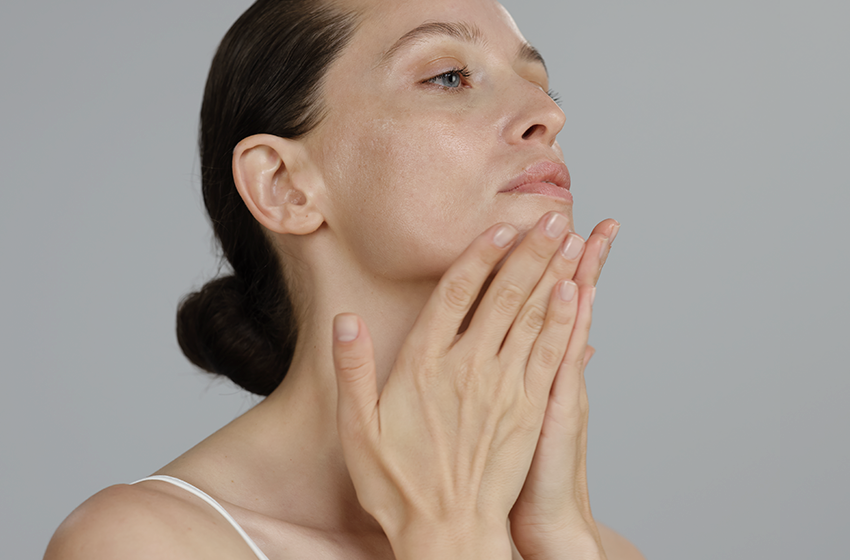
Glycolic acid treatment is very popular for many reasons. When used regularly, it brightens the skin, reduces fine lines and wrinkles, minimizes the appearance of pores, fights acne, removes dead skin cells, and evens out skin tone.
Among the most well-known benefits of glycolic acid are those targeting acne, sun damage, fine lines, and wrinkles.
Acne
Glycolic acid is an effective ingredient in the fight against acne because it exfoliates dead skin cells, which often clog pores and trigger the formation of comedones (blackheads and whiteheads) and acne breakouts (pimples). Glycolic acid is a keratolytic ingredient, meaning it has the ability to break down dead skin cells and keratin on the skin’s surface and to open clogged pores.
Recent studies have shown that glycolic acid has antibacterial and antioxidant properties, which help improve the appearance of the skin in people suffering from acne.
Sun Damage
Exposure to ultraviolet light can cause skin damage.
Visible signs of sun damage include pigmentation spots and wrinkles.
Glycolic acid helps fade dark spots caused by sun exposure and protects collagen fibers.
A 2020 study mentions that glycolic acid is an effective treatment for sun-induced skin damage. Glycolic acid also has a protective effect against UVB rays, meaning it helps prevent photoaging.
Try the Ivawhite Whitening Night Fluid with 5.5% Glycolic Acid!
It is suitable for all types of sensitive skin with hyperpigmentation spots, regardless of age or type of pigmentation.
For best results, the fluid is recommended to be applied once every two days, alternating with the intensive depigmenting serum from the same range. The product should be applied in the evening, after cleansing the skin. The morning after application, a sunscreen cream must be used, as glycolic acid opens the pores and makes the skin more sensitive to ultraviolet radiation.
Fine Lines and Wrinkles
Over time, due to the natural aging process, the skin loses its elasticity. As a result, fine lines and wrinkles may form. Glycolic acid can help slow down skin aging.
Glycolic acid reduces the appearance of fine lines and wrinkles by effectively exfoliating the upper layer of the skin. This exfoliation accelerates skin cell renewal, and faster cell turnover increases both collagen production—the skin’s main structural protein—and the skin’s natural hydration capacity.
Glycolic acid can increase hyaluronic acid levels, which help maintain skin hydration, and improves the quality of elastin, which provides skin elasticity.
As a result, fine lines and wrinkles are smoothed, and skin tone and texture are visibly improved.
How and When Is Glycolic Acid Used?
In general, glycolic acid can be used safely by anyone who wants brighter, healthier-looking skin. However, there are a few important details to keep in mind before introducing it into your skincare routine.
First of all, using products with a sun protection factor is essential during glycolic acid treatment. Like all AHA acids, glycolic acid makes the skin more sensitive, which means ultraviolet rays can be more harmful.
To begin with, it is recommended to use glycolic acid three times a week, on non-consecutive days. If the skin does not become red or irritated, the frequency can be increased to four times a week. Once the skin becomes accustomed to the ingredient, glycolic acid can be used daily.
It is recommended to use glycolic acid products with a concentration no higher than 10% and with a pH above 3.5.
At the start, products with a lower concentration of glycolic acid—around 6%—are recommended. Because glycolic acid increases the risk of sunburn, it is best used in the evening skincare routine or together with a sunscreen in the morning.
After the first treatments, the skin may feel rough. This is normal and indicates that glycolic acid is working properly.
Glycolic acid is found in numerous cosmetic products:
- makeup removers;
- liquid exfoliants;
- serums;
- moisturizing creams;
- acne treatments;
- face masks.
Glycolic acid is one of the ingredients used in Ivatherm products:
- Ivapur A.I. AKNE-SYT Anti-Imperfection Cream acts on all acne mechanisms: it reduces sebum secretion, decreases inflammation, and has antibacterial activity.
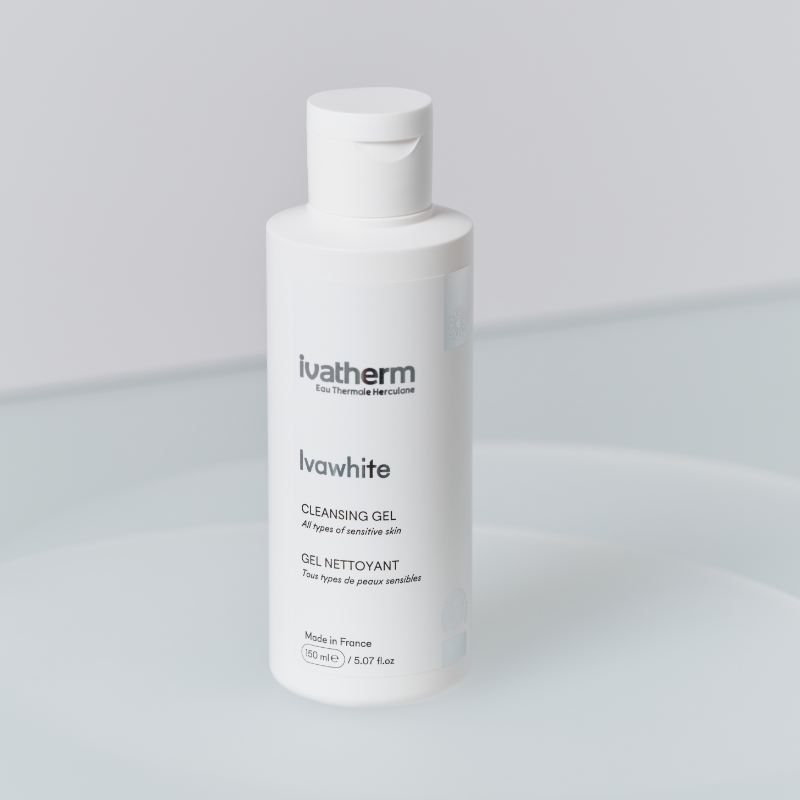
- Ivawhite Cleansing gel with a concentration of 3%, removes dead skin cells, eliminates impurities, and restores skin radiance without drying it out. It has a lightweight texture, contains no fragrance or soap, and can be applied to the face and body, both morning and evening.
- Ivawhite Whitening Night Fluid with a concentration of 5.5% glycolic acid that visibly reduces hyperpigmentation, brightens evens-out the skin and accelerates the cellular turnover. It also reduces the appearance of fine lines and wrinkles.
Glycolic acid: side effects
Most people who use glycolic acid do not experience problems; however, for those with sensitive or dry skin, it can be irritating. The most serious adverse effects usually occur when products with too high a concentration are used or when specialist recommendations are ignored. As a result, certain side effects may appear.
Sunburn
AHA acids can reduce signs of sun damage. However, because glycolic acid removes the top layer of skin cells, it leaves the underlying cells more vulnerable to further damage caused by ultraviolet rays.
For this reason, it is essential to apply a sunscreen every day before going outside while using products with glycolic acid and for one week after stopping the treatment.
Irritation
Some people, especially those with sensitive skin, may notice irritation after using glycolic acid products. Redness, inflammation, itching, or a burning sensation are symptoms that indicate the skin does not tolerate glycolic acid well, and discontinuing the treatment is recommended.
These symptoms may also occur if a concentration that is too high is used or if the product is applied too frequently.
Hyperpigmentation
Glycolic acid is an effective ingredient for reducing hyperpigmentation. However, strong or irritating skincare products can also cause hyperpigmentation. To avoid possible adverse effects, the concentration of glycolic acid in cosmetic products should follow specialist recommendations.
For daily care, it is recommended to use products with a glycolic acid concentration between 2% and 4%. For at-home exfoliation, products with a glycolic acid concentration between 5% and 30% can be used, but not every day—exfoliation is recommended two to three times per week.
Only in the case of chemical peels performed under medical supervision a few times per year can higher concentrations be used, namely between 30% and 50%.
Glycolic Acid: Frequently Asked Questions
Glycolic acid is an ingredient with numerous benefits for the skin; however, because it can cause irritation, there are concerns regarding its use. Among the most frequently asked questions about the effects of glycolic acid on the skin are the following:
What are the best products with glycolic acid?
When choosing products with glycolic acid, several factors are important: your skin type and the concern being treated. For this reason, before introducing products containing glycolic acid into your daily routine, a specialist consultation is recommended. If your skin is more sensitive or dry, products with a lower percentage of glycolic acid (5–8%) are recommended.
How does glycolic acid work on the skin?
Glycolic acid exfoliates the skin, accelerating cell regeneration and stimulating collagen production. At the same time, it helps cleanse pores, smooth fine lines, improve skin tone, fade pigmentation spots, and hydrate the skin.
Can glycolic acid be used every day?
At first, daily use of glycolic acid is not recommended. Glycolic acid can irritate the skin, and an adjustment period is needed. Initially, it is best to use it three times per week. If no irritation or redness appears, it can be applied four times per week. The number of days glycolic acid is used should increase gradually, as the skin begins to tolerate it.
Is glycolic acid effective in treating scars?
Currently, there is no scientific evidence to support the use of glycolic acid for eliminating scars. Glycolic acid may help reduce the appearance of scars, but it will not make them disappear completely.
What should you know before using glycolic acid?
Glycolic acid can make the skin more sensitive to the sun. Therefore, using products with a sun protection factor is essential during the period when glycolic acid is included in your skincare routine.
It is also advisable to avoid using other products that exfoliate the skin rapidly while glycolic acid is part of your routine.
What should glycolic acid not be combined with?
Glycolic acid should not be combined with the following ingredients:
- Retinol/Retinoids – The combination can cause severe irritation, redness, and excessive peeling.
Solution: Use them on different evenings, or apply glycolic acid in the morning and retinol in the evening. - Vitamin C (ascorbic acid) – Both are acidic and can neutralize each other’s effectiveness and may also irritate the skin.
Solution: Apply vitamin C in the morning and glycolic acid in the evening. - Benzoyl peroxide – This combination can lead to extreme dryness and irritation.
Solution: Alternate the days of use. - Other exfoliating acids (salicylic acid, lactic acid, mandelic acid) – Over-exfoliation can damage the skin’s protective barrier.
Solution: Use only one acid per day.
Glycolic acid is an alpha-hydroxy acid (AHA) that, as it is absorbed into the skin, promotes cell renewal. This makes glycolic acid an excellent exfoliant, giving the skin a healthier and more radiant appearance. It is a common ingredient in skincare products, especially anti-aging and acne treatments. It also supports collagen production, protects the skin against sun damage, and helps prevent clogged pores.
Resources:
https://www.verywellhealth.com/glycolic-acid-15774#
https://www.medicalnewstoday.com/articles/glycolic-acid-for-skin#summary
https://www.healthline.com/health/beauty-skin-care/glycolic-acid-for-acne
https://onlinelibrary.wiley.com/doi/10.1111/jocd.13570
https://www.ncbi.nlm.nih.gov/pmc/articles/PMC6017965/
https://gethealthyskin.com/ingredients/glycolic-acid
https://www.goodhousekeeping.com/beauty/anti-aging/a31155061/what-does-glycolic-acid-do/
https://www.glamour.com/story/glycolic-acid-what-does-it-do
https://www.dermstore.com/blog/top_ten/glycolic-acid-benefits/
https://www.evolvebeauty.co.uk/blogs/news/what-is-glycolic-acid